



Intelligent Vertical Container is an efficient warehousing equipment that integrates automation control, IoT sensing, and intelligent scheduling systems. By maximizing the utilization of vertical space, it achieves high-density storage and precise access of goods. In the context of intensive industries such as coal, equipment manufacturing, and metallurgy in Shanxi, traditional warehousing faces bottlenecks such as low space utilization, high labor costs, and insufficient efficiency in inbound and outbound warehousing. However, intelligent vertical containers, with their advantages of automation, informatization, and intensification, effectively enhance the level of intelligent warehousing management. Its core functions include automatic recognition of cargo information, path optimization scheduling, remote monitoring, and data analysis, suitable for automated management of various materials such as raw materials, spare parts, and finished products.
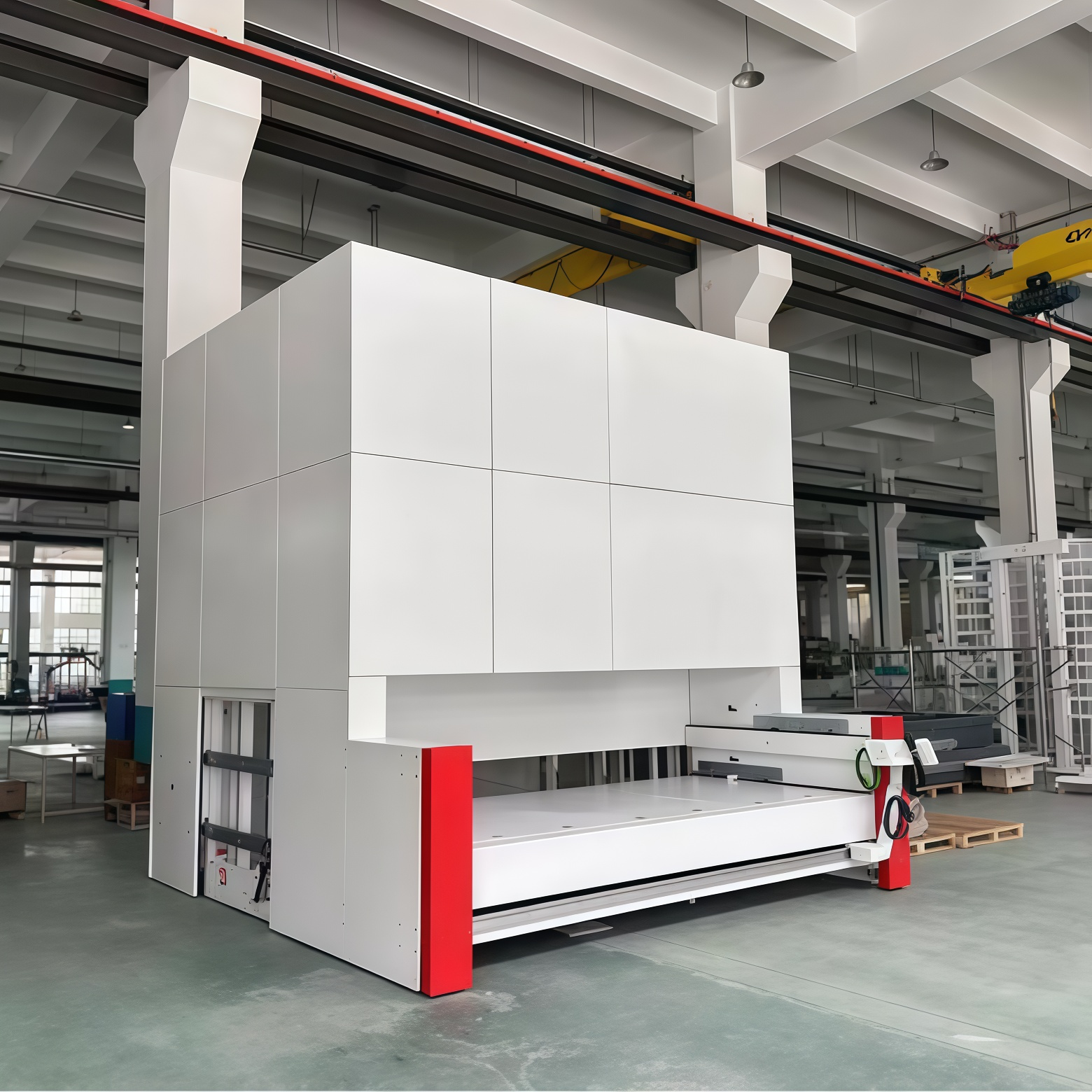
From a technical perspective, this product adopts a servo drive system and high-precision sensors to ensure stable and accurate access processes; Combining WMS (Warehouse Management System) to achieve data exchange with production and logistics processes, supporting full process traceability management. Some high-end models also have environmental adaptability design, which can operate stably in industrial environments with large dust and temperature differences, suitable for the actual working conditions of some factories in Shanxi. In addition, modular structure design facilitates later expansion and maintenance, reducing long-term operating costs for enterprises.
In Jiangsu, a group of intelligent manufacturing enterprises with independent research and development capabilities are promoting the localized application and upgrading of this product. For example, a smart equipment factory located in Nanjing relies on local universities and research institutions to focus on integrated innovation and customized development of intelligent warehousing systems. The factory has a complete R&D, testing, and assembly system, and its products have been put into operation in multiple large manufacturing enterprises in the province with good feedback. Its technical team continues to optimize control system algorithms and equipment reliability, forming a technology solution with regional adaptability.
In terms of application scenarios, vertical lifting warehouses have widely penetrated into multiple fields such as manufacturing, pharmaceuticals, e-commerce, and automotive parts. For example, in automobile manufacturing enterprises, vertical lifting warehouses are used to store heavy components such as engines and transmissions, and through seamless integration with production lines, achieve flexible production of "on-demand supply"; In the pharmaceutical industry, its constant temperature and humidity enclosed environment can meet the special requirements for drug storage, while ensuring the accuracy of drug traceability through batch management functions.
Compared with automated three-dimensional warehouses, vertical lifting warehouses have a cost advantage in small and medium-sized warehousing scenarios. Its structure is relatively simple, the construction period is short, and there is no need for complex tunnel stacker cranes, resulting in lower maintenance costs. For medium-sized warehousing needs with a daily processing capacity of 500-2000 times, the comprehensive cost-effectiveness of vertical lifting warehouses is often better than traditional automated vertical warehouses, making it the preferred choice for enterprise intelligent upgrading.
With the integration of technologies such as the Internet of Things and big data, vertical elevators are evolving towards intelligence. By installing sensors and RFID tags, the system can monitor the status and inventory quantity of goods in real time, and combine with WMS (Warehouse Management System) to achieve dynamic scheduling. In addition, the linkage with AGV (Automated Guided Vehicle) or robotic arm can further expand its application boundaries, forming a full process automation solution covering warehousing, storage, sorting, and outbound.
In the future, vertical elevators will be deeply integrated into the "black light factory" and smart logistics system, becoming an indispensable infrastructure in the Industry 4.0 era. Its modular design concept also enables devices to flexibly expand according to business growth, from single devices to multi machine networking, from single functions to integrated value-added services such as quality inspection and packaging. The vertical lifting warehouse is promoting the development of the warehousing industry towards efficiency, green, and sustainability with a more open and intelligent attitude.
Financial innovation Plaza, No. 8-2,
Pusi Road, SuZhou
Tel:+86-138-XXXX-6868
Copyright © 2022Platform Information Technology Co., Ltd
SitemapThis website uses cookies to ensure you get the best experience on our website.



 WhatsApp
 Phone
Phone E-mail