



Vertical Container
Vertical Container: A Comprehensive Overview A vertical container is a specialized storage or transportation unit designed to optimize space utilization by stacking items or compartments vertically. Unlike traditional horizontal containers, which spread outwards, vertical containers make efficient use of height, making them ideal for environments with limited floor space. They are widely used in logistics, warehousing, retail, and even residential settings due to their versatility and adaptability. Key Features and Benefits 1. Space Efficiency The primary advantage of vertical containers is their ability to maximize storage capacity without requiring additional floor space. By stacking items vertically, businesses and individuals can store more in the same footprint, reducing clutter and improving organization. 2. Modularity and Scalability Many vertical containers are modular, allowing users to adjust shelving heights or add/remove compartments as needed. This flexibility makes them suitable for various applications, from industrial warehouses to small apartments. 3. Improved Accessibility Some vertical containers incorporate sliding or rotating mechanisms, ensuring easy access to stored items. For example, rotating carousels or pull-out shelves help users retrieve goods without disassembling the entire structure. 4. Durability and Material Options Vertical containers are constructed from robust materials such as steel, high-density plastic, or reinforced wood, ensuring longevity. The choice of material depends on the intended use—industrial-grade containers prioritize strength, while residential versions may focus on aesthetics. 5. Enhanced Organization Vertical storage systems often include dividers, labels, or transparent fronts, enabling better inventory management. This is particularly useful in retail, where quick identification of products is essential. Applications - Logistics & Warehousing: Vertical containers streamline inventory management by allowing high-density storage, reducing warehouse costs. - Retail: Display units with vertical stacking improve product visibility and save shelf space. - Residential Use: Vertical storage solutions like closet organizers or kitchen cabinets help declutter homes. - Agriculture: Vertical farming containers optimize growing space in urban environments. Conclusion Vertical containers are a practical solution for modern storage challenges, offering efficiency, adaptability, and organization. Whether in industrial or personal settings, their ability to maximize vertical space makes them indispensable in today’s space-conscious world.
Products
Category:
-
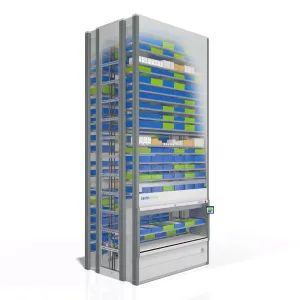
Vertical Lifting Three-Dimensional Container
Category: Intelligent Selective Lift StorageBrowse number: 4Number:Release time: 2025-12-29 10:02:06Hanwei automatic vertical revolving cabinet achieves efficient storage through vertical cyclic motion, saving space and manpower, suitable for multi item scenarios such as files and tools, and will be more intelligent and environmentally friendly in the future.
News
Category:
No search results found!
Case
Category:
No search results found!
Video
Category:
No search results found!
Download
Category:
No search results found!
Job
Category:
No search results found!
Featured Products
No search results found!



 WhatsApp
 Phone
Phone E-mail